
"global coffee culture"
1000 article(s) found

Coffee Culture-- Coffee Culture in Serbia
In Europe and the United States, people have listed coffee as a part of their daily life, and they are used to making a cup of coffee in the morning to start the day.

Chinese people like coffee more and more.
Professional baristas please follow the coffee workshop (Wechat official account cafe_style) picture / Danilo De Cicco whether it is fashionable or fond of, the consumption of coffee in China continues to rise to have a cup of coffee? Oh, I need a cup of coffee. In Italy, who would refuse that small cup of delicious coffee? It's not a simple habit, it's a real one.
Coffee growing Coffee Leaf Rust Coffee Industry challenges Coffee Culture
Professional Coffee knowledge Exchange more information on coffee beans Please follow the Coffee Workshop (official Wechat account cafe_style) Coffee farmer Mario Kortho (Mario Mendoza Corleto) patrolled the coffee plantation on the hillside in late summer 2012 in Santa Ana, the second largest city in El Salvador, Central America. Suddenly, he noticed an anomaly: among them
Multi-coffee brands compete for the Chinese market, Starbucks faces challenges
Starbucks (Starbucks) is the name of an American coffee chain, founded in 1971, is the world's largest coffee chain, its headquarters is located in Seattle, Washington, USA. Starbucks' retail products include more than 30 of the world's top coffee beans, hand-made espresso and a variety of hot and cold coffee drinks, fresh and delicious pastries, and a variety of coffee.

Coffee: a commodity to be awakened by the Chinese factor
Elegant and romantic Starbucks, mellow cafes. What you may not imagine is that behind the quiet and pleasant scene is the choppy coffee market.

Brazilian Coffee Love History: drinking Coffee at the age of three created Brazilian Finch shit Coffee Jacu bird coffee
Professional coffee knowledge exchange more coffee bean information please pay attention to the coffee workshop (Wechat official account cafe_style) Brazil is not only a football kingdom, but also a coffee empire. Once the Brazilian coffee harvest fails that year, it will trigger a sharp rise in global coffee prices. The influence of Brazilian coffee can be more far-reaching than its football. Chen Hao once led the production team to Brazil and filmed it or not.

The popularization speed of coffee culture obviously speeds up the market in Guangzhou, there is a huge room for development.
After more than 300 years of development, coffee consumption has become the mainstream of fashion and gradually formed the world cultural circle. According to the statistics of authoritative departments, the global annual consumption of coffee is more than 8 million tons, while the annual consumption in China is about 200000 tons, showing a 15% increase in the market. So is the competition in the coffee market extremely fierce? Pan Jingqing's answer is that there is no competition in the coffee market, and the more businessmen there are.
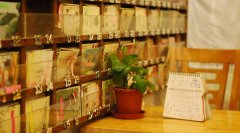
There are great differences in consumer prices among different grades of cafes.
Coffee used to be the culture of Westerners, but with the development of the times, this culture has spread to every corner of the world, including our great motherland. After China's accession to the World Trade Organization, the distance between China and the world is getting closer and closer, and the original prediction of the global village has gradually come true. International cultural exchanges have become increasingly frequent, and people-to-people exchanges among countries are also very common. We use to seek common ground while reserving differences.
Coffee Culture Story Serbian Coffee Culture
In Europe and the United States, people have listed coffee as a part of their daily life, and they are used to making a cup of coffee in the morning to start the day. As a western drinking culture, coffee has a long historical background just like Chinese tea culture. Coffee has become a worldwide drink, with different favorite ways and formulations in different countries and regions.

World Coffee Culture Coffee Culture in Serbia
In Europe and the United States, people have listed coffee as a part of their daily life, and they are used to making a cup of coffee in the morning to start the day. As a western drinking culture, coffee has a long historical background just like Chinese tea culture. Coffee has become a worldwide drink, with different favorite ways and concoctions in different countries and regions.
The brand coffee of Chinese people should make "MADE IN CHINA" well-deserved.
Western coffee culture is equivalent to Chinese tea culture, in the earliest days, drinking coffee is the western culture, but now coffee is no longer only Westerners, has become a global culture. Among them, China has its own unique characteristics in accepting the western coffee culture. In China, some areas have established their own unique coffee brands, which is not only a popular way of life.

Introduction of coffee culture in Serbia exquisite coffee shop display
A century ago, the Turks ruled Serbia for many years. Now the Turks are gone, but the Turkish coffee is left. When Serbs invite others, they usually say, "come to my house for a cup of coffee." Serbian cafes are all over the streets. Serbia has a small population, but cafes never close early and have visitors seven days a week. In Serbia, Pin

Coffee is an ancient consumer coffee culture.
Make every cup of coffee and grasp every detail. For Starbucks, word-of-mouth is the best advertisement. You may be facing the 100th guest today, but for the guest, it is the first cup of coffee. His knowledge of Starbucks is that from the infatuated September of this cup of coffee, when you enjoy shopping on the famous global OUTLETS, you might as well go to

2015 China (Chengdu) International Coffee Industry and Coffee Culture Expo opens to attract investment
The 2015 China (Chengdu) International Coffee Industry and Coffee Culture Expo (CICCE 2015), which will be opened at Chengdu Century City New International Convention and Exhibition Center from December 4 to 6, 2015, has been launched in an all-round way, and its influence has permeated both at home and abroad. CICCE 2015 is co-sponsored by the Nutrition guidance Committee of China Food Industry Association and Beijing Zhonghuit Exhibition Co., Ltd.
Fine Coffee Culture Coffee Culture in Serbia
In Europe and the United States, people have listed coffee as a part of their daily life, and they are used to making a cup of coffee in the morning to start the day. As a western drinking culture, coffee has a long historical background just like Chinese tea culture. Coffee has become a worldwide drink, with different favorite ways and formulations in different countries and regions.
Development of ILLY Coffee in China
Grinding illy we only need (Starbucks) 3 to 5% of the market, and that's a lot. Zhang Guojun, general manager of Italy's illy Group in China, told Global Entrepreneur. Of course, he was talking about the expectations of the illy coffee brand for the Chinese market. Don't simply treat illy and Starbucks as competitors that are completely different from the world's largest American coffee shop chain.

Coffee Culture in the Cafe in the Office
Xavier Unkovic used to drink two cups of green tea in the office every morning, followed by a cup of coffee at noon. As global president of Mars Beverage, he found that most office workers, like him, have complex and diverse drinking habits in the workplace. Some people like coffee, some people like tea, and some people like hot chocolate, which has something to do with age.
South Koreans are poisoned by coffee.
[Cui Jietong, special correspondent of the Global Times to South Korea] Cui, look! Looking along the fingers of Zhu Shenghe, a reporter from South Korea's East Asia Daily, the reporter saw that the three coffee shops were close to each other (pictured), and the lights reflected the rainy night. There are so many coffee shops that we are all poisoned! He said. The place where we are standing is near the Gangnam City Plaza Hotel in Ricao District, Seoul.

The Origin and Development of Coffee Story characteristics of Coffee knowledge and Culture in China
The Origin and Development of Coffee-Coffee knowledge and Culture in China according to historical records, coffee was first planted in Taiwan in 1884, which opened the prelude to the development of coffee in China. The earliest coffee cultivation in the mainland began in Yunnan, when a French missionary brought the first coffee seedlings to Binchuan County in Yunnan Province at the beginning of the 20th century. In the following nearly a hundred years, coffee was planted in the soil.